

The façade generalist is becoming a real profile, not just a nice idea. Façade projects sit at the crossroads of architecture, structural engineering, building physics, digital tools, and carbon accounting. Yet many job descriptions still pretend you can split all that into neat silos. At Facade Today, we see something different in conversations with senior consultants, design managers, and technical directors. The people who actually make complex projects work are those who can move across disciplines and connect them. They understand enough structure, enough physics, enough fabrication, and enough contracts to keep a project on track.
This article looks at why “façade generalist” roles are emerging at senior level. It also explores what they actually do, and how professionals can grow into that space. Rather than replacing deep specialists, the aim is different. The focus is on recognising that someone has to hold the whole picture together and speak several ‘languages’ at once.
Here at Alpewa
Big picture, tough envelopes
Why façades now need generalists
Façades have become too complex for narrow silos. High‑performance envelopes mix structure, airtightness, moisture control, fire, acoustics, daylight, and user comfort in one system. On top of that, teams must handle BIM, parametric tools, off‑site fabrication, and pressure on both operational and embodied carbon.
In response, many major firms now advertise senior façade roles that explicitly blend design, engineering, project management, and client interface. Arup’s Senior Façade Consultant profile combines leading engineering design, mentoring teams, and managing commercial performance in one position, rather than splitting these tasks. Fortis Facades describes its senior consultants as people who guide projects “from concept to implementation” while coordinating multiple disciplines and stakeholders.
More broadly, business research shows that leaders with generalist backgrounds often navigate complexity better than ultra‑specialists. They are used to moving across domains, framing problems, and making trade‑offs visible. In façade work, the same logic applies: someone must understand enough about each field to ask the right questions, arbitrate between options, and hold the overall risk picture.
This is not questioning the value of specialists. Structural, fire, physics, and digital experts remain essential. The point is that complex envelopes fail when nobody connects these inputs. The façade generalist steps into that space and makes integration a defined responsibility, not a vague expectation.
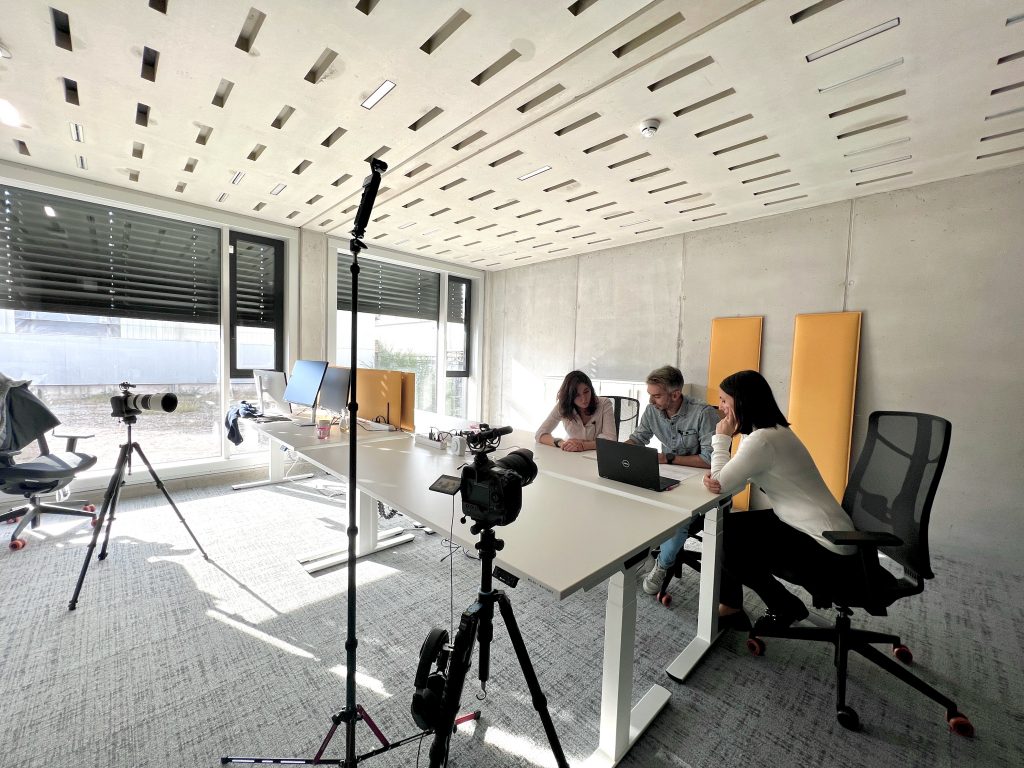
Turning complexity into decisions
What a façade generalist actually does
At senior level, the façade generalist is the integrator. Titles vary: senior facade engineer, facade design manager, technical director, principal consultant. But the pattern is similar. Job adverts for these roles now mention concept design, detailed engineering, site inspections, client meetings, team leadership, and often business development, all under the same name.
Turning complexity into coordinated action
In day‑to‑day practice, a generalist translates between disciplines. They move from an architect’s design intent to an engineer’s calculation, and from a manufacturer’s system limits to a client’s budget and risk appetite. In parallel, they keep track of envelope‑level risks: interfaces between trades, fire strategy, tolerances, warranties, and long‑term performance, not just one calculation package or one discipline’s scope. Along the way, these seniors also mentor younger specialists, helping them see how their piece fits into a larger story.
Digital tools and climate pressure deepen this need. BIM and parametric modelling allow rich exploration of options, but someone has to connect these models to procurement, sequencing, and maintenance strategies. Adaptive façades and smart envelopes illustrate this tension even more clearly. Technical papers on adaptive systems often conclude that success depends on cross‑disciplinary teams, not isolated experts. In many of those projects, the unofficial centre of gravity is a small group of generalist‑minded seniors who translate, prioritise, and keep decisions coherent over time.
The facade generalist as client guide
Because of that, the generalist often becomes the person clients trust most. They can explain why a detail changed, why a performance target moved, or why a certain risk is unacceptable. In review meetings, they see the whole chessboard. That ability to connect technical, contractual, and human dimensions is what makes the role both demanding and increasingly valuable.
Beyond your discipline
How to grow into a façade generalist
Most façade generalists did not start broad. They began as structural engineers, architects, façade detailers, or building physicists. The shift came when they stepped into coordination tasks, took site responsibilities, or accepted roles closer to clients and commercial decisions. Instead of staying safe in one comfort zone, they deliberately crossed lines, even if that felt messy at first.
Two main career routes
The route, however, looks slightly different depending on where you sit. In façade consulting firms, generalists often grow by leading multi‑office teams, managing design reviews, and taking responsibility for technical quality across many projects. Their exposure comes from variety: different climates, codes, and project cultures.
In design‑build and fabrication environments, the path usually runs through delivery. Senior people there become generalists by taking ownership of design‑for‑manufacture, logistics, installation risk, and claims. They learn to link a 3D detail to procurement lead times, site access, warranties, and cash flow. Both worlds can produce strong generalists, but they shape them in different ways.
Building the skill set
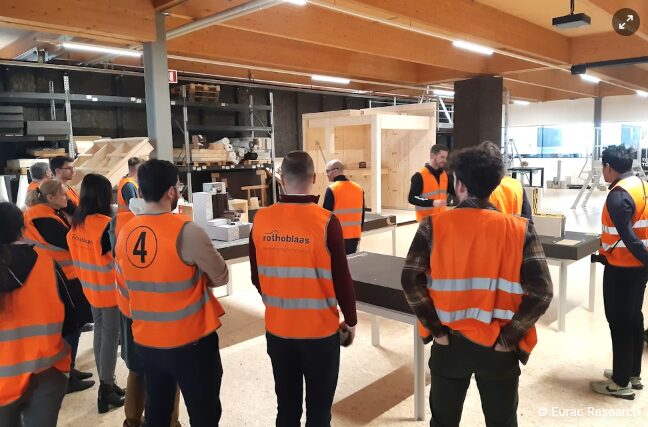
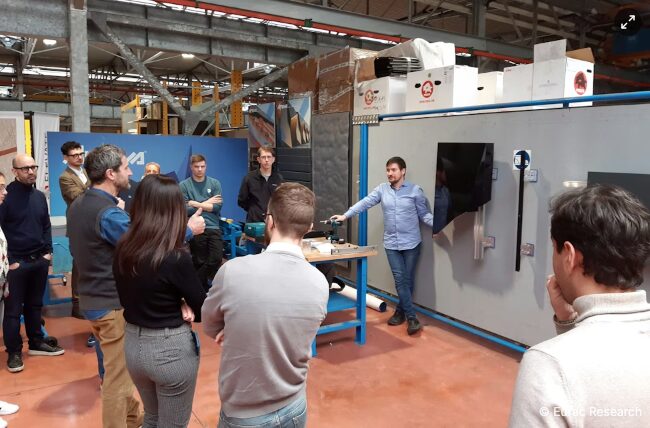
If you want to move in that direction, it helps to deepen your understanding in two adjacent domains, not just one. An engineer might add building physics and fire to their core strength. An architect might work on fabrication constraints and contracts. Regular factory visits, site inspections, and mock‑up reviews are also powerful. Senior job specs in both consultancy and construction now mention site and contractor coordination as essential experience, not a nice extra. Over time, this mix of technical depth, project exposure, and real‑world delivery builds a profile that naturally attracts integrator responsibilities.
Ecosystem and lifelong learning
Finally, there is the question of ecosystem. Generalists grow stronger when they stay close to industry conversations: conferences, technical bodies, and specialist media, and when they treat this as a thread of lifelong learning rather than a one‑off training effort.
Publications focused on envelopes, and platforms like Facade Today, sit in that same space, combining technical content, project stories, and career insights. That environment makes it easier to spot patterns, discover new tools, and see how your own experience could stretch further over an entire career.

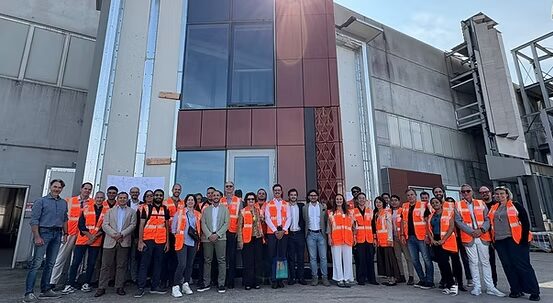
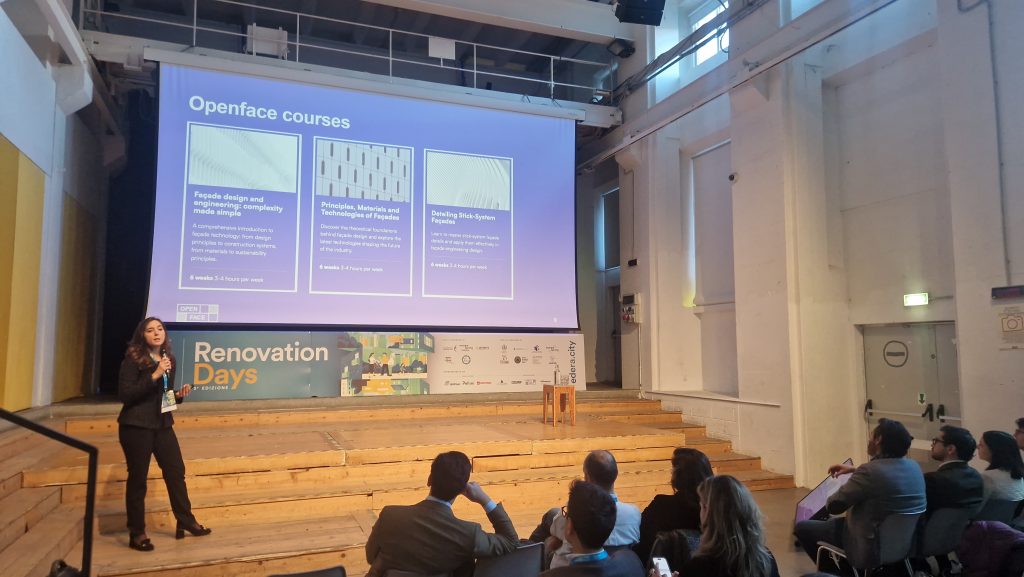
Programmes like FACE – Façades Architecture Construction Engineering at Eurac Research, the OpenFace online courses, or specialised offerings from platforms such as Façade Intelligence give structure to that ongoing development, from short modules to 150‑hour advanced tracks. In parallel, executive and post‑graduate programmes on building envelopes and future‑proof real estate are highly regarded stepping stones for anyone aiming at long‑term career excellence.
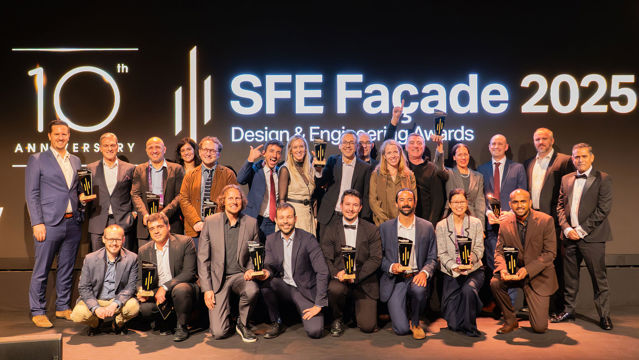
Events like ZAK World of Façades or Performance Based Facade Design, and organisations such as SFE, CWCT, and the European Facade Network, add another layer of formal and informal learning.
Conclusion: from role to mindset
The “façade generalist” may not appear as a standard title yet, but the role is already there. It hides inside senior engineer posts, design manager profiles, and technical leadership functions on complex projects. What changes now is the recognition that this integrator work is not accidental. It is a distinct contribution that adds real value.
For individuals, this is an invitation to own that space: to cultivate breadth without losing depth, to move towards the meetings where trade‑offs are made, and to accept responsibility for the whole, not just a part. For companies, it is a call to acknowledge and support these profiles, in both consultancy and design‑build environments, instead of forcing them back into rigid silos. If the industry wants ambitious, resilient, low‑carbon facades to perform as promised, it needs more people who can think and act like generalists. It needs to treat that as a core capability, not a side effect.
Useful links
The Future of Façade Engineering Careers (on sustainability and digitisation)
Forbes Tech Council – The Rise Of The Generalist: Why Versatility Beats Specialization