


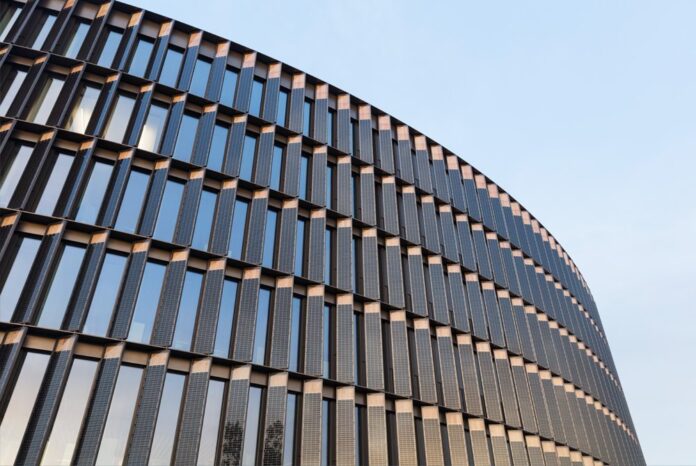
Recent developments in digital design enable the early integration of building performance modelling into the design of BIPV façades.
Façade design is a key element for the overall energy efficiency of buildings. Designing an optimal BIPV façade requires balancing conflicting objectives: maximizing energy yield, optimizing thermal comfort, reducing cooling and heating loads, and maintaining aesthetics. Due to the lack of intelligent control systems, BIPV installations remain static and lack real-time adaptability. Furthermore, there are gaps in system coordination: insufficient integration into HVAC and storage systems, changing user behavior, and electricity price fluctuations impair performance.
AI control for BIPV: closing the gap between thermal, optical and electrical performance

“Electrical, thermal, and optical performance are often still considered separately,” explains Lisa Duan from the University of Alabama. “Models for predicting energy yield neglect the impact of thermal effects on the building’s heating, ventilation, and air conditioning. Conversely, models for thermal comfort neglect how their behavior affects the PV yield,” Lisa Duan explained regarding the problem during her presentation at the Advanced Building Skins Conference last November in Bern, Switzerland. An intelligent BIPV façade should simultaneously optimize energy generation, insulation, and daylight utilization.
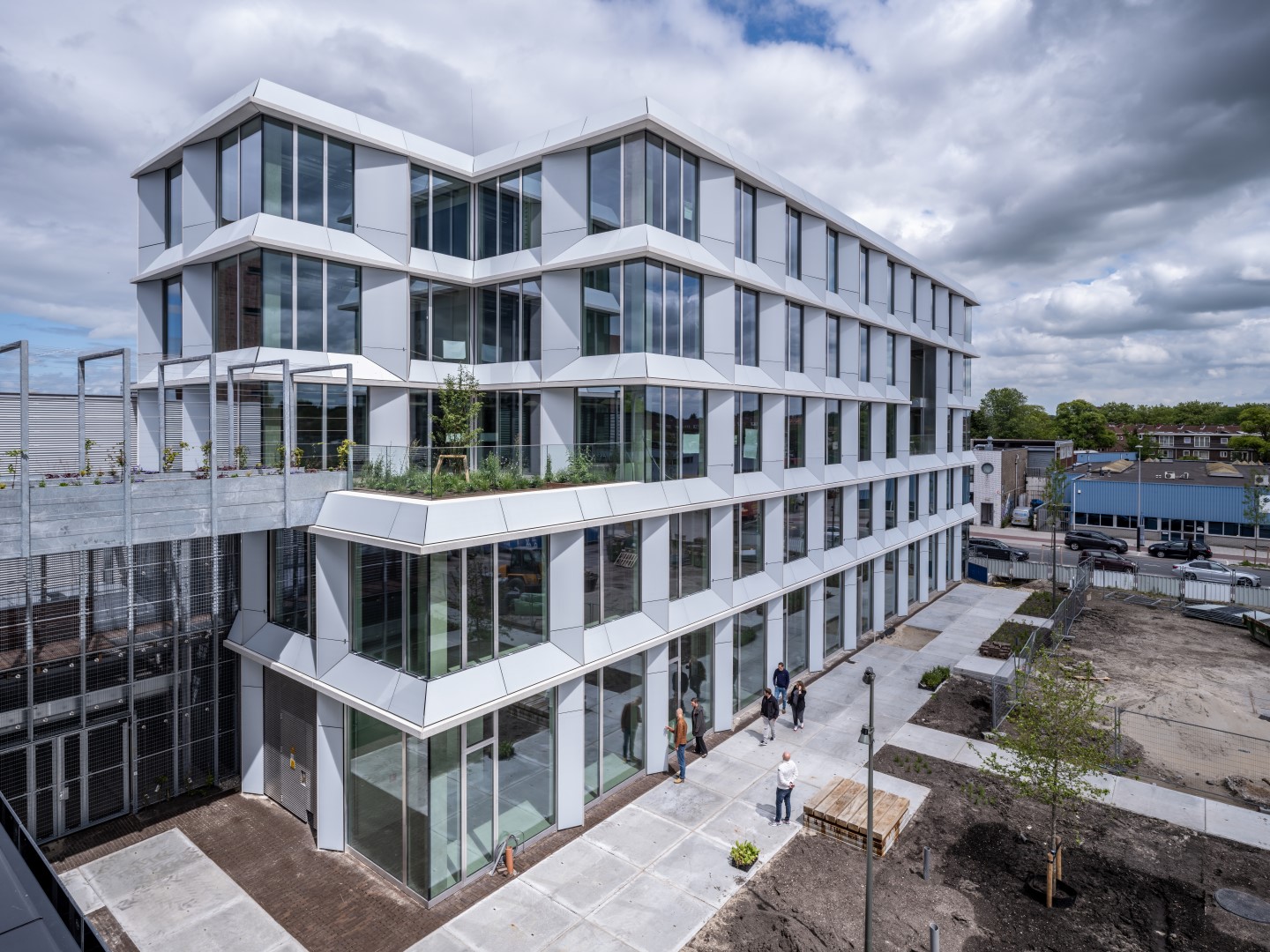
With the help of AI, a BIPV system can be optimized within this complex and dynamic environment. AI-based controllers can adjust BIPV operating modes to changing conditions while simultaneously increasing energy efficiency, lowering costs, and improving comfort for residents. For example, AI can learn from weather data to predict solar power generation in real-time with greater precision. Predicting solar energy production is essential for the effective integration of BIPV systems into energy management. AI methods reduce forecasting errors by 20% to 30%, thereby improving load planning and the deployment of energy storage systems.
In the context of BIPV, intelligent control refers to the use of AI algorithms for the real-time management of BIPV and associated energy systems, such as batteries, smart inverters, or dynamic building loads. The goal is to continuously optimize performance based on multiple criteria. These include maximizing self-consumption, minimizing energy costs, maintaining grid stability, and ensuring user comfort.
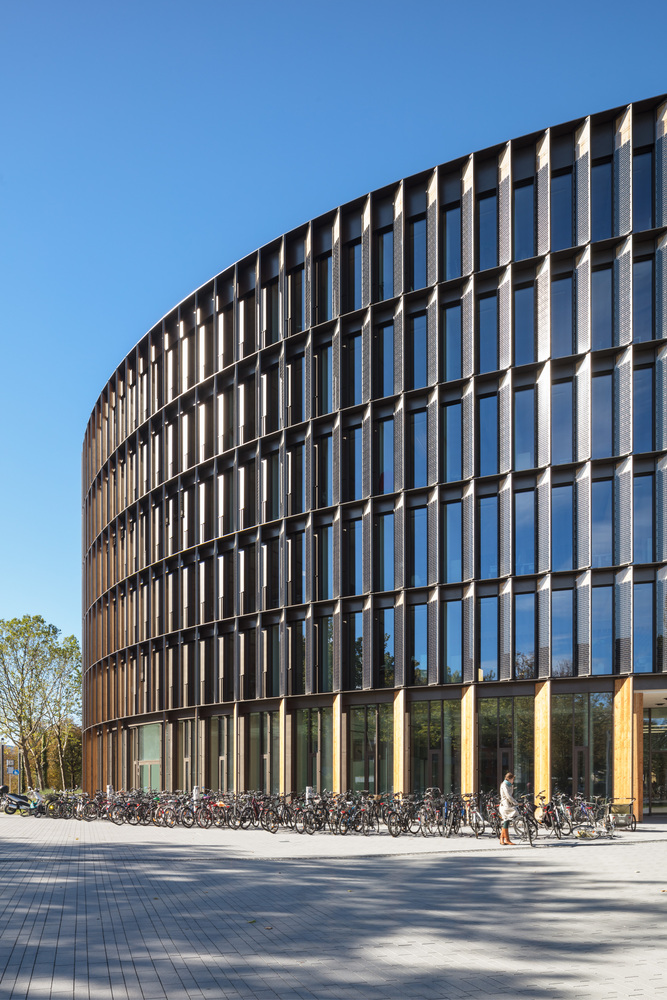
Photo Courtesy Ingenhoven Architects / HGEsch
Digital twins for adaptive BIPV façades in housing

At this year’s Advanced Building Skins Conference in Bern, Öyku Öngören, architect and computational designer at Istanbul Technical University, will demonstrate how the design of an adaptive BIPV façade is optimized using a digital twin. The aim is to optimize photovoltaic power generation, indoor daylight conditions, and the building’s energy consumption. “The parametric model enables the exploration of multiple façade alternatives and supports the evaluation of adaptive BIPV systems, which can function both as solar shading devices and energy-generating façade elements,” explains Öyku Öngören.
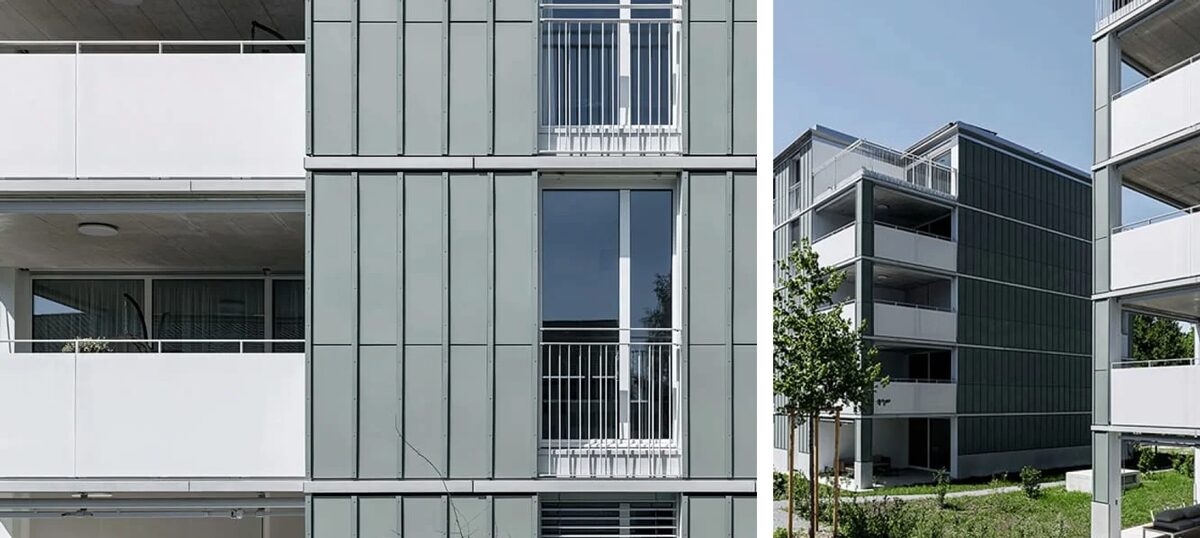
Using a case study of a multi-story residential building in Istanbul, she will illustrate how different BIPV coverage scenarios affect photovoltaic power generation, building energy consumption, and daylight performance. A visualization based on a digital twin enables performance analysis for each PV element and every room. The representation of various façade configurations, together with PV energy generation and the building’s electricity demand, allows for an evaluation of adaptive façade scenarios and their impact on the building’s energy balance. “The optimized configuration led to a 26% increase in solar radiation, a 70% improvement in daylight coverage, and a 28% increase in photovoltaic power generation,” Öngören summarizes the results of her study.
AI‑Driven BIPV Fins for High‑Performance Glazing

Another case study at the Advanced Building Skins Conference will be presented by Michael Frederick, Computational Design Director at Gensler Architects, Los Angeles. His team developed a parametrically designed building envelope using AI-powered workflows to link performance simulations with various façade designs. The goal was to retain the floor-to-ceiling glazing. They evaluated the performance of the vertical BIPV aluminium fins using an AI assistant embedded in Rhino.
AI-generated scripts analyzed location and simulation data, placing around 12,000 elements on the façade. In doing so, the fin depth was optimized for passive solar shading, and glazing was maximized at locations with expansive views. “Our simulations predict a 35% reduction in solar load,” explains Michael Frederick, “and the PV integrated into the fins is expected to generate 600,000 kW of electricity annually.” As the project progresses, AI supports the integration of additional metrics such as daylight autonomy and glare analysis.
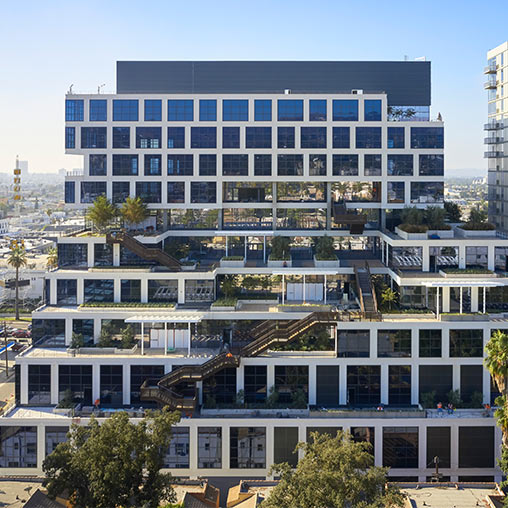
Disclaimer: the images accompanying this article were selected by the editorial team and not by the author.

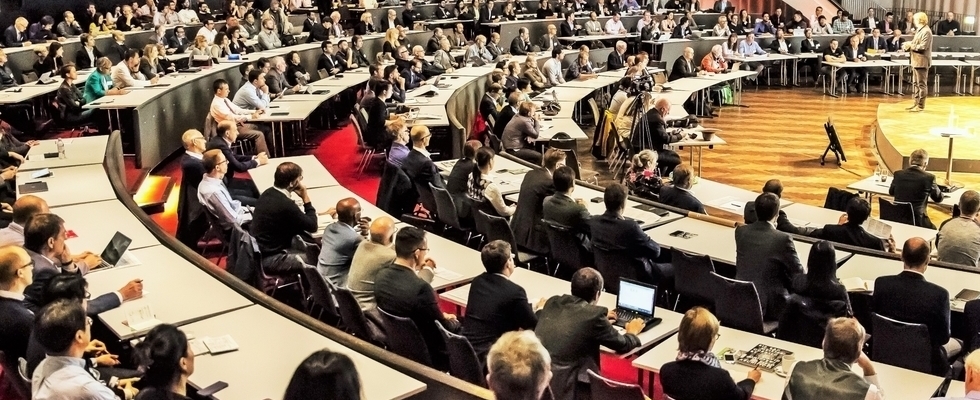
The Advanced Building Skins Conference & Expo will take place on November 3 & 4 in Bern, Switzerland. The conference is the premier international event for innovative building envelopes and brings together architects, engineers, and representatives from the construction industry. Key themes of this year’s conference are AI and BIPV.

Neil Leach will deliver the keynote address. Leach is a British architect, a Professor at Florida International University and the Harvard Graduate School of Design, and the author of several books on AI in architecture. He will examine how AI is transforming the architectural and engineering practice.
Further information and registration at https://abs.green
Facade Today is pleased to stand alongside Advanced Building Skins Conference & Expo 2026 in Bern, Switzerland, as Media Partner. This partnership reflects the same editorial conviction that guides the magazine: high-performance façades deserve a serious platform, rigorous discussion, and a strong international community.
As part of this partnership, Facade Today supports the event with editorial coverage, digital visibility, and content amplification. Through this, we are helping ideas travel further across the facade engineering and architecture community.
Are you organizing an event related to façade design, smart materials, sustainable construction, or architectural innovation?
Let’s talk! We’re always open to media partnerships that align with our editorial mission and bring value to our readers.
Reach out to us at editor@facadetoday.com
We’d love to hear about your event.